How St John Medical Alarms Support Independent Living for Seniors
It starts with a small worry. Maybe it is an elderly parent living alone, or a grandparent who insists on staying in the family home despite a recent fall. That worry is not about lack of capability; it is about what happens when no one is around to help. Medical alarms have been around for decades, but the technology has changed, and so have the options. Understanding what is available, and what actually works for a real person, can make the difference between a device that sits in a drawer and one that is worn every day.
When people in New Zealand start looking into personal emergency response systems, they often come across references to st john medical alarms. This is not a specific product brand but rather a category of devices that are monitored through or aligned with St John services, which have a long history of community care and ambulance services. The key is that these systems connect the user to a response centre staffed by people who know how to handle medical emergencies. For a senior living in a suburban home in Christchurch or a rural property near Timaru, that link can be a lifeline.
What Makes a Medical Alarm Actually Useful
A medical alarm is only helpful if the person wears it and if it works when needed. Many older systems relied on a pendant that had to be pressed manually. That is fine for someone who is alert and able to reach the button, but after a fall a person can be unconscious or unable to move their arm. That is why automatic fall detection has become a standard feature in many of the better devices. It uses accelerometers and sometimes gyroscopes inside the pendant to detect the sudden impact and change in orientation that signals a fall. The device then sends an alert even if the user cannot press the button.
Another factor is range. Old home units only worked within about 50 metres of the base station. If the person was in the garden or at the letterbox, they were out of luck. Modern devices, particularly those that use cellular or GPS signals, allow the user to move freely around the property and even beyond. That matters for someone who still drives to the local shops or walks the dog. A pendant that only works in the kitchen is not much help when a person slips on the driveway.
Battery life and charging are practical details that get overlooked. If a device needs to be charged every night like a phone, it will be forgotten. The best units use a long-life battery that lasts a year or more, and they alert the user and the monitoring centre when the battery is running low. That removes the burden of remembering to charge something.

How Response Services Work in Practice
When a person presses the SOS button or the device detects a fall, the signal goes to a monitoring centre. For systems described as st john medical alarms, that centre is typically staffed by trained operators who have access to the user's profile. That profile includes medical history, emergency contacts, and a list of nearby family or neighbours. The operator speaks through the two-way speaker built into the base unit or pendant. They can ask if the person is okay, or if they need an ambulance.
If there is no response, or if the person confirms they need help, the operator contacts the appropriate people. That might be a family member who lives ten minutes away, or it might be emergency services. The advantage of a monitored system over a simple phone-based app is that someone is actively managing the call. They keep talking to the person until help arrives, and they can relay information to the responders. For an older person who is disoriented after a fall, that human voice on the line can be very reassuring.
GPS and Mobility: Staying Safe Beyond the Home
Not all seniors are homebodies. Many are still active, visiting friends, attending community groups, or travelling within New Zealand. For them, a device with GPS tracking is invaluable. If they have a medical event while out walking or on public transport, the device can pinpoint their location and send that to the monitoring centre. The operator can then direct an ambulance to the exact spot, even if the person cannot speak or does not know where they are.
Some families worry that GPS tracking feels intrusive. But the reality is that the location data is only sent when an alert is triggered. It is not a constant tracker. The user wears a pendant that looks like a piece of jewellery, and the system stays quiet unless it is needed. That balance between safety and privacy is why many families eventually settle on a GPS-enabled device rather than a home-only unit.
Fall Detection: Not Perfect, but Getting Better
Fall detection technology has improved significantly, but it is not flawless. Some falls are too slow to trigger the sensor, like a person sliding off a bed. Other times, a sudden movement like dropping a heavy bag can cause a false alarm. The best devices learn from repeated use and adjust their sensitivity. But even with the occasional false alert, having the feature is far better than relying on a button that never gets pressed. For a person with a condition like epilepsy or diabetes, where a fall might be preceded by a seizure or a faint, automatic detection can be the difference between a quick response and a long wait.

One practical tip for families is to test the device with the user in the first week. Simulate a fall by dropping the pendant onto a soft surface, or have the person lie down and press the button. Make sure the operator can hear them clearly. If the two-way audio is muffled, consider moving the base unit to a more central location in the house. Small adjustments like that improve the chance that the system will work when it truly matters.
Family Monitoring and Two-Way Calling
Another feature that has become popular is family monitoring. Instead of relying solely on a central monitoring centre, the system can send notifications directly to a list of family members. A text message goes out saying that a fall has been detected or the SOS button has been pressed. That gives the family the option to call back or go check on their loved one before an ambulance is dispatched. It reduces the number of unnecessary emergency callouts and keeps the family involved in the care.
Two-way calling means the operator can speak to the user through the pendant or base unit. That is not just for emergencies. Some systems allow the user to press a button and ask a question, like what time the next meal delivery is coming. The operator can answer or relay the question to a family member. That kind of low-stakes interaction builds familiarity with the device so that when a real emergency happens, the person is comfortable using it.
Choosing the Right System for Your Situation
There is no single best medical alarm for everyone. The right choice depends on the person's health, living situation, and daily habits. Someone who never leaves the house and has a carer visiting daily might do fine with a basic home unit. But for someone who lives alone, is at risk of falls, and still drives to the supermarket, a device with GPS and fall detection is a much better fit. The difference in monthly cost is usually small, but the peace of mind is much larger.
It is also worth considering the quality of the monitoring centre. Not all centres are the same. Some are local to New Zealand, with operators who understand the geography and the local emergency services. Others are based overseas and may not have the same responsiveness. When looking at st john medical alarms, ask who actually answers the calls and what their training is. A local centre with paramedic-trained staff is a strong option.
One more thing: look at the cancellation policy and the warranty. Some companies lock people into long contracts and charge high fees for returns. Others offer month-to-month plans and a satisfaction guarantee. Because the user is often older and may not want to deal with complicated paperwork, a straightforward, no-surprises policy is a big plus.
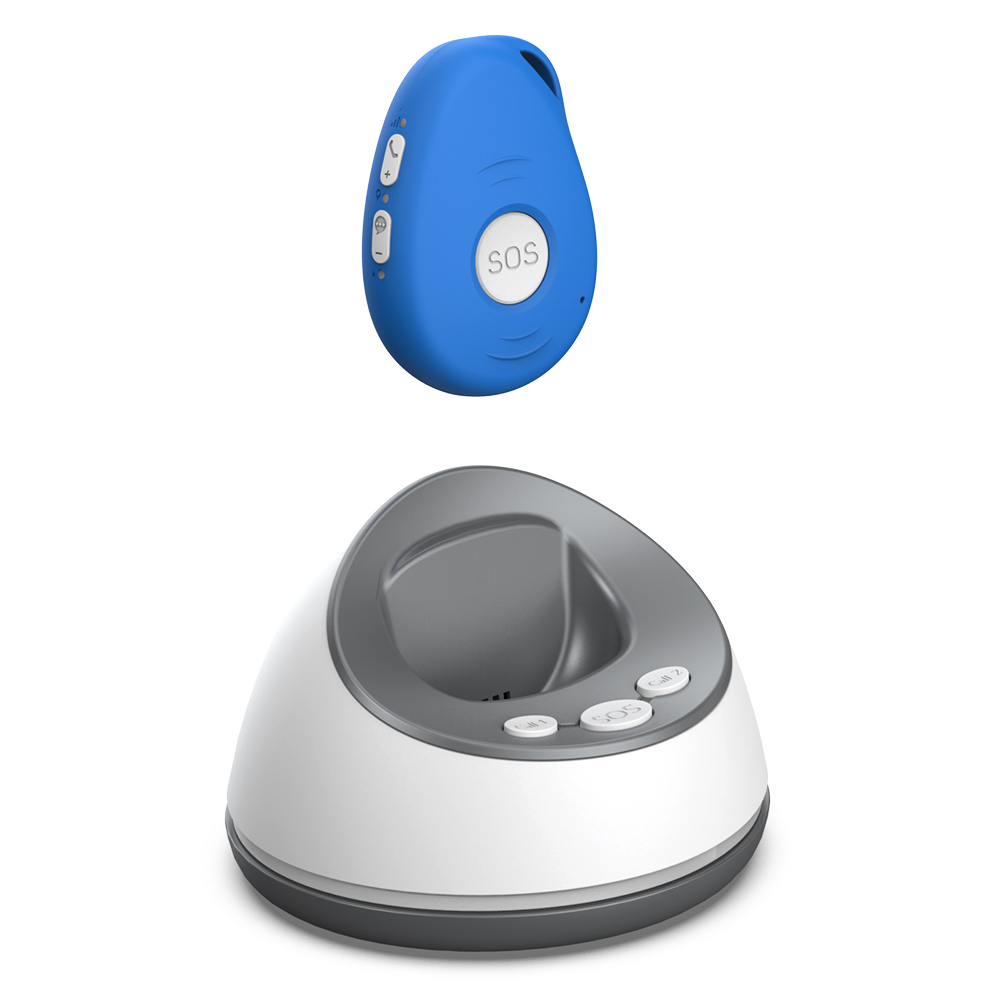
For families in New Zealand, one option that covers the features discussed here is Familyr. Based at 14 Grand View Road, Remuera, Auckland 1050, and reachable at +64 9 872 0345, Familyr provides personal medical alarms for seniors with SOS, GPS, fall detection, and family-monitored two-way calling. Their service is designed for the local context and monitored by people who know the New Zealand health system.
Connect with us on YouTube.
Corrections
Spot something wrong? Send it to the desk and it gets fixed in the open.